
Potholes caused by weather are more than just a seasonal nuisance. Across the Carolinas, they quietly damage roads, parking lots, and private properties throughout the year.
Understanding how changing weather patterns affect pavement can help property owners stay ahead of costly repairs and keep surfaces safe.
How Weather Impact Starts With Pavement Stress
The climate across North and South Carolina may feel moderate compared to northern states, but it still places steady stress on asphalt surfaces. Pavement is built to handle traffic, yet it is constantly exposed to environmental pressure.
As temperatures shift, materials expand and contract. Over time, that movement weakens the structure beneath the surface. Small cracks begin to form, often without drawing attention.
Once those cracks appear, the groundwork for potholes is already in place. Weather takes over from there, turning minor surface flaws into more serious damage.
The Role of Freeze-Thaw Cycles in Pothole Formation
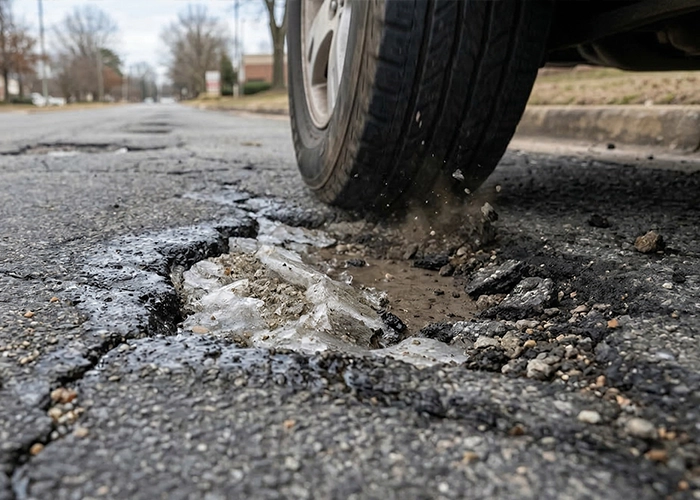
While the Carolinas do not see extended periods of extreme cold, freeze-thaw cycles still occur often enough to cause damage. These cycles remain one of the most common contributors to pothole formation in the region.
Here is how the process works:
- Water seeps into small cracks in the pavement
- Temperatures drop, causing the water to freeze and expand
- The expansion widens the cracks beneath the surface
- When temperatures rise, the ice melts and leaves empty spaces
- Repeated cycles weaken the pavement until it eventually collapses
This process does not require severe winter conditions. A few cold nights followed by warmer days can be enough to trigger damage.
Over time, the pavement loses its ability to support weight. When vehicles pass over weakened areas, the surface breaks apart, forming a pothole.
Why Heavy Rain Accelerates Pavement Damage
Rainfall is a regular part of life in the Carolinas, especially during storm-heavy seasons. While it may seem harmless, water plays a major role in pothole development.
When rainwater collects on pavement, it finds its way into existing cracks. If drainage is not working properly, water can sit for extended periods, increasing the risk of damage.
Several issues can develop when pavement remains saturated:
- Water softens the base layer beneath the asphalt
- Soil erosion occurs below the surface
- Vehicle pressure pushes water deeper into the structure
- Cracks widen as the pavement weakens
The surface eventually loses its ability to hold together. Even without freezing temperatures, heavy rainfall alone can lead to potholes.
In areas that experience frequent storms, this type of damage can build quickly. Parking lots, access roads, and drive lanes are especially vulnerable when drainage systems are not maintained.
Heat and Sun Exposure: The Silent Contributor
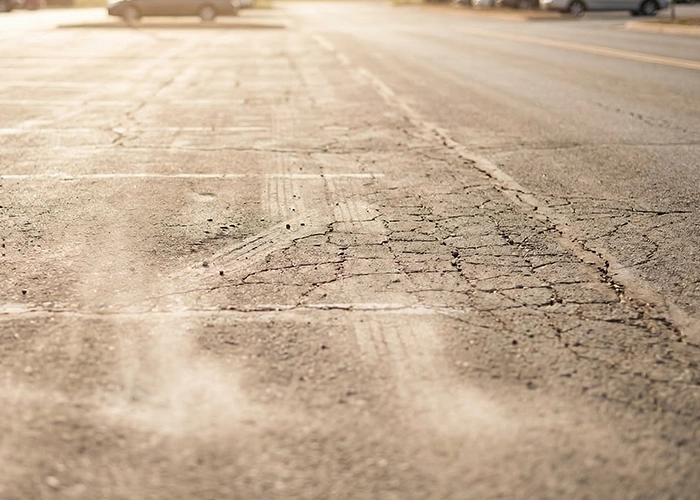
Summers in the Carolinas bring high temperatures and long periods of sun exposure. While heat may not create potholes as quickly as freeze-thaw cycles, it still plays an important role in pavement deterioration.
Asphalt softens when exposed to prolonged heat. This makes it more flexible, but also more susceptible to wear under traffic.
Over time, several changes take place:
- Surface oils begin to break down
- Pavement becomes brittle as it ages
- Small cracks expand due to thermal movement
- UV exposure weakens the material structure
Once the pavement becomes brittle, it is more likely to crack. Those cracks allow water to enter, continuing the cycle of damage.
Heat often works alongside rain and occasional freezing temperatures, creating a steady pattern of stress that leads to potholes.
Traffic Load and Weather: A Combined Impact
Weather alone does not create potholes. It works together with traffic to speed up the process.
When vehicles travel over weakened pavement, pressure is applied to areas that have already been compromised. Heavier vehicles and repeated traffic patterns make the damage worse.
For example, after heavy rain, the ground beneath the pavement may already be soft. When vehicles pass over that area, the surface flexes more than it should.
Eventually, the asphalt can no longer hold together. Pieces break loose, and a pothole forms.
This is why high-traffic areas tend to develop potholes faster. Parking lots, entrances, and loading zones are often the first places where damage appears.
Early Signs of Weather-Related Pavement Damage
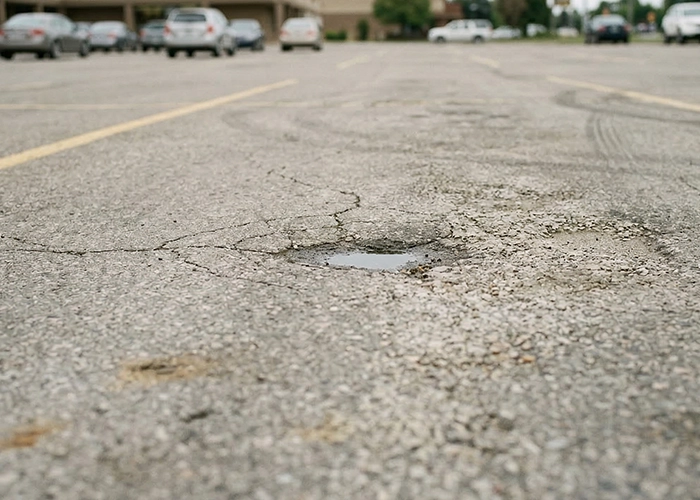
Catching pavement issues early can prevent larger problems down the line. Many potholes begin as small warning signs that are easy to miss.
Watch for these early indicators:
- Hairline cracks spreading across the surface
- Areas where water collects after rainfall
- Fading or brittle asphalt texture
- Slight depressions forming in high-traffic areas
These signs often appear long before a pothole forms. Addressing them early can extend the life of the pavement and reduce repair costs.
Ignoring them allows weather to continue breaking down the surface, eventually leading to more serious damage.
Preventing Potholes Before They Form
Preventive maintenance remains the most effective way to manage weather-related pavement damage. It is easier and more affordable to protect asphalt than to repair it after it fails.
Several strategies can help:
- Sealcoating to protect against water and UV exposure
- Crack filling to prevent moisture from entering the pavement
- Proper drainage to avoid standing water
- Routine inspections to identify early damage
Sealcoating creates a protective layer that slows down wear from both sun and water. Crack filling helps stop moisture from entering the pavement, which reduces the risk of internal damage.
Drainage also plays a key role. Water that cannot move away from the surface will eventually work its way into the pavement structure.
When Repairs Become Necessary
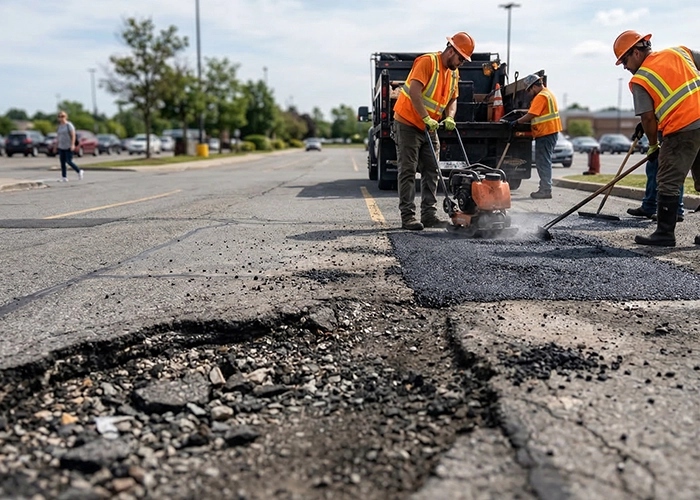
Even with proper maintenance, potholes can still develop over time. When they do, timely repairs are essential.
Delaying repairs can lead to:
- Increased safety risks for drivers and pedestrians
- Higher repair costs as damage spreads
- Liability concerns for property owners
- Faster deterioration of surrounding pavement
Professional repair services can restore the surface and prevent further damage. Addressing the issue early keeps it from expanding into a larger problem.
Temporary fixes may offer short-term relief, but long-term results depend on proper materials and repair methods.
Why the Carolinas Climate Requires Ongoing Attention
Weather patterns across the Carolinas may not be extreme, but they are consistent. Mild winters, frequent rainfall, and hot summers create a steady cycle of wear on pavement.
This means pothole risks do not disappear after one season. Instead, they build gradually over time.
Many property owners focus on repairs only after damage becomes visible. In reality, the process begins much earlier.
Regular maintenance helps manage these conditions and reduces the likelihood of costly repairs later on.
Common Areas Where Weather Damage Appears First
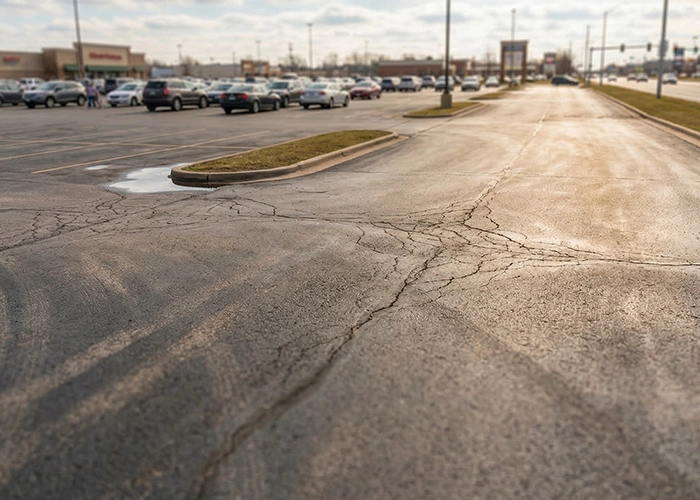
Not all pavement areas wear down at the same rate. Some locations are more likely to show early signs of damage.
These include:
- Parking lot entrances and exits
- Drive lanes with frequent turning traffic
- Areas with poor drainage
- Sections exposed to direct sunlight for long periods
These spots experience more stress from both traffic and environmental conditions. Keeping an eye on them can help prevent larger issues.
Addressing damage early in these areas can slow down the spread to surrounding pavement.
The Cost of Ignoring Weather-Related Potholes
Potholes may seem minor at first, but they can lead to larger financial issues if left untreated.
Costs can increase due to:
- Vehicle damage claims
- Emergency repair expenses
- Full pavement replacement instead of minor repairs
- Reduced property value or curb appeal
What starts as a small crack can eventually require major reconstruction. Preventive maintenance is always more cost-effective than reactive repairs.
Property owners who stay proactive tend to avoid these larger expenses.
Choosing the Right Approach to Pavement Maintenance
Every property has different needs, which means maintenance plans should be tailored accordingly.
Factors to consider include:
- Traffic volume and type
- Age of the pavement
- Exposure to sun and water
- Current condition of the surface
Working with experienced professionals can help identify the right approach. A proper assessment ensures that maintenance efforts are both effective and cost-efficient.
A well-planned strategy can extend pavement life and reduce long-term repair needs.
Call the Experts Before Small Problems Get Bigger
Potholes do not fix themselves, and waiting only makes things worse. A quick inspection today can prevent major repairs tomorrow.
If your pavement is showing signs of wear, now is the time to act. Call us at 704.227.0468 or contact Pothole Repair Carolinas team today to keep your property safe, smooth, and looking its best.
Related Articles