
Most communities do not think about asphalt until a tire hits a rut or a resident trips near a crumbling edge. An HOA pavement maintenance plan keeps those surprises from turning into budget emergencies, while helping boards protect property values and day-to-day safety.
Building Your HOA Pavement Maintenance Plan
A clear HOA pavement maintenance plan puts the board, management, and contractors on the same page before the first crack becomes a pothole. Better expectations tend to follow, because decisions feel less reactive and more measured.
Most communities have more pavement than owners expect, from private streets and drive aisles to parking stalls, fire lanes, and turnarounds. Concrete curbs, gutters, and sidewalks matter too, since water movement and edge support affect how asphalt holds together. Responsibility lines should be confirmed early through plats, CC&Rs, and any shared agreements with a municipality.
Pavement failures rarely happen overnight, because water infiltration, sun exposure, heavy vehicles, and small surface defects build momentum over time. Financial predictability improves when the board knows the pavement network and can plan reserve contributions around real conditions instead of surprises.
Getting Your Pavement Inventory Right
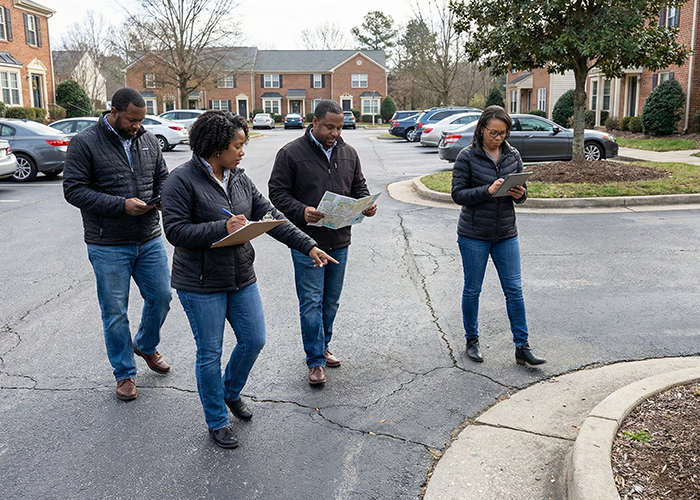
Good decisions start with a simple inventory that anyone can understand. Aerial images, community plats, and a basic site walk can be combined into one working map. Clear labels help later when bids come in and questions start.
Square footage or lane miles should be measured, even if the numbers are estimates at first. Surface type needs to be noted too, since asphalt, concrete, and pavers age in different ways. Areas with frequent delivery trucks or trash collection deserve their own tags because wear tends to concentrate there.
Ownership documents should be pulled early in this step. CC&Rs, plats, and maintenance agreements often spell out who maintains streets, alleys, and shared private drives. That paperwork may not be exciting, but it prevents costly scope confusion.
Setting Standards That Match Your Community
Most boards want “nice pavement,” yet that phrase means different things depending on the property. A gated community with higher home values may expect smoother roads and fresh striping. A condo community with limited traffic might accept minor cracking as long as trip hazards and drainage issues stay controlled.
A written service level helps prevent shifting expectations. Terms like “acceptable cracking,” “required striping visibility,” and “target response time for potholes” give contractors something concrete to price. Consistency also becomes easier for new board members who did not live through previous repairs.
Resident input can be gathered without turning the plan into a popularity contest. Common complaints often point to real issues, such as pooled water at an entry or rough patches near mail kiosks. A short survey or a request for photos can support the board’s site findings.
Learning to Read Pavement Distress

A board does not need to become a pavement engineer, although basic distress knowledge pays off quickly. Surface cracking can signal aging, but certain patterns suggest deeper structural problems. Alligator cracking, for example, usually shows fatigue in the base layers and often needs more than a surface treatment.
Water is the quiet driver behind many pavement failures. Standing water at the curb line, clogged drains, and low spots shorten pavement life. Drainage fixes sometimes feel separate from pavement work, yet they often belong in the same project plan.
Edge failures deserve attention in HOA settings. Parking stalls near landscaping beds, unpaved shoulders, or eroded edges can crumble because support is missing. Repairs last longer when the edge condition is addressed, not just patched.
Scheduling Inspections Without Overcomplicating It
A steady inspection rhythm keeps small defects from becoming big expenses. Two walks a year fit many climates, with an extra check after severe storms or heavy utility work. Photographs help track changes and reduce “it was not like that before” disputes.
A simple form can keep inspections consistent from year to year. The goal is repeatable observations, not perfect technical scoring. Notes about location, size, severity, and water conditions usually provide enough detail for a contractor to recommend treatment options.
A pavement maintenance schedule should be linked to climate and use, not to a generic calendar. Communities in freeze-thaw areas need more attention to cracking and water intrusion. Properties with frequent heavy vehicles often benefit from faster response on early surface defects.
Turning Findings Into Priorities

Boards often feel overwhelmed once the inventory and inspection notes are in hand. A practical sorting method brings order quickly. Safety issues and liability risks sit at the top, followed by water-related failures, then by cosmetic items like faded striping.
A simple priority scale works well. “Now,” “next,” and “later” categories help boards avoid analysis paralysis. Contractors can then price work in phases, which makes budgeting and scheduling easier.
Budget limits matter, but so does sequencing. Crack sealing and drainage repairs often support later surface treatments. Premature sealcoating over open cracks, for instance, can waste money because water still finds its way below the surface.
Choosing the Right Treatment at the Right Time
Pavement work is not one-size-fits-all, and the best option depends on age, traffic, climate, and the distress pattern found during inspections. Clear conversations with a qualified contractor help boards avoid paying for a surface fix when a deeper problem is already underway.
Early-stage work often delivers the best value. Crack sealing can slow water intrusion when cracks are still manageable, while proper patching addresses potholes and broken areas before they spread. Prep and compaction matter here, because a rushed patch can turn into a repeat call after the next storm.
Surface treatments can extend life when the pavement structure is still sound, and they can improve appearance at the same time. Areas with deep fatigue cracking or repeated potholes may need partial-depth or full-depth repairs before an overlay makes sense. Reconstruction stays on the table for sections that have reached the end of their practical life.
A Quick Treatment Menu
- Crack sealing and crack filling for early-stage cracking and water control
- Patching and full-depth repairs for potholes, depressions, and failed base areas
- Surface treatments for protection and improved ride when the pavement is still stable
- Overlays for renewed surface life when the structure can support new material
- Reconstruction for areas that have reached the end of their practical life
Writing a Plan That Contractors can Follow
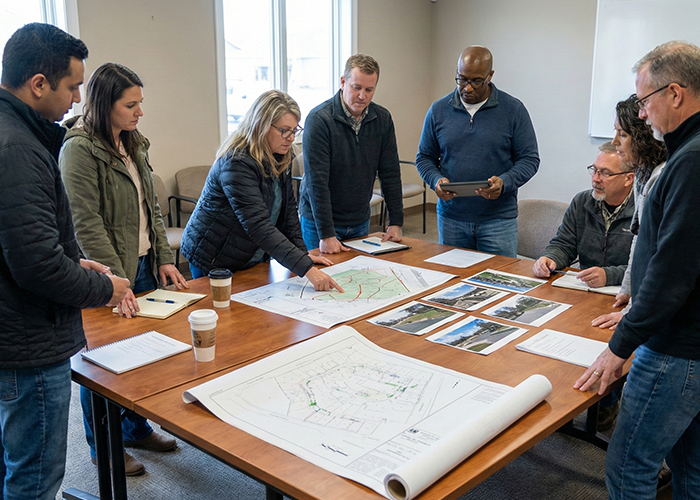
A plan reads best when it feels like a playbook, not a binder that sits on a shelf. Clear scope notes, photos, and a map with marked repair areas help contractors price work accurately. Fewer change orders tend to follow, which protects the budget.
Work standards should be written in plain language. Patch depth, compaction expectations, edge tie-ins, and cleanup requirements can be described without heavy jargon. A contractor can still include technical details in the proposal while the board keeps the core expectations easy to review.
Scheduling expectations help prevent resident frustration. Hours of work, noise considerations, access plans, and notice timing should be spelled out. A small community may tolerate short closures, while larger properties might need phased lanes to keep traffic moving.
Budgeting Without Guesswork
Pavement costs vary widely by region, surface type, and timing. Even so, boards can bring clarity to the numbers by planning in layers. Short-term needs cover safety repairs and near-term surface protection, while mid-term needs focus on overlays and recurring treatments.
Reserve planning should reflect the pavement’s life cycle. A fresh overlay can reset the clock, but it still needs ongoing attention to stay in good shape. A clear HOA pavement maintenance plan supports reserve studies because it translates pavement age and condition into expected future projects.
Bid structures can make budgeting easier. Alternates, unit pricing, and phased options give boards flexibility if costs come in higher than expected. A multi-year approach also helps spread expense without delaying urgent repairs.
Picking Vendors and Protecting the HOA
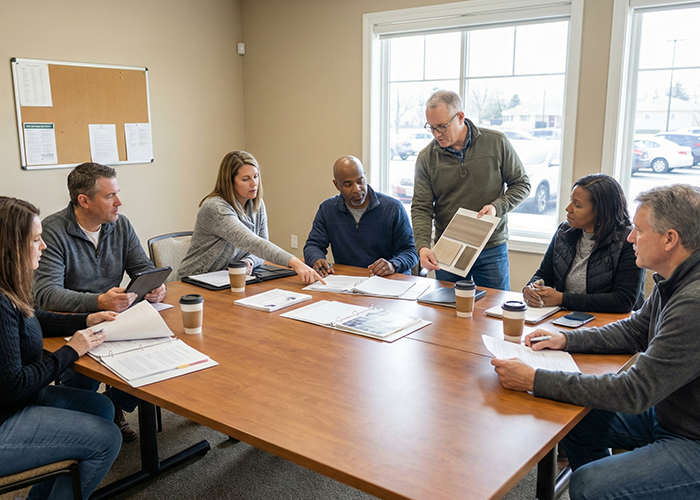
Vendor selection should be treated as risk management, not just price shopping. Licensing, insurance, and relevant experience in HOA settings matter because access, resident communication, and traffic control are everyday realities. References from similar communities can reveal how a contractor handles complaints and scheduling pressures.
A clear scope keeps bids comparable. Each vendor should be asked to price the same work areas, prep steps, and finishing details. Apples-to-apples comparisons support better decisions, especially when boards change hands.
Contracts should address timing, materials, and accountability. Warranty language, change-order processes, and payment schedules belong in writing. Site protection, debris removal, and clean edges around repairs should be described too, since details often shape resident satisfaction.
Striping That Guides Traffic
Striping often gets treated as an afterthought, yet it shapes how drivers and pedestrians behave every day. Clear stall lines, directional arrows, and stop bars reduce confusion in tight parking lots. Fire-lane markings and accessible parking details also carry compliance expectations.
Timing matters because fresh sealcoat or new asphalt can make older lines disappear fast. A plan for stencils, curb paint, and sign placement helps the community reopen sooner and with fewer headaches. Vendors should confirm local requirements for accessible stalls, van access aisles, and required signage.
Speed humps, crosswalks, and pedestrian warning markings deserve a second look as well. Reflective elements can improve visibility at night, particularly near clubhouses, mail areas, and pool entrances. Small details like these tend to cut down on complaints after the asphalt work is finished.
Managing Residents During Pavement Work
Communication can make or break a pavement project. Residents usually accept inconvenience when they understand the “why” and the timeline. Short updates feel more respectful than one long notice that gets ignored.
Access planning deserves extra care. Parking closures, tow policies, and alternative routes should be described clearly, with maps when possible. Plenty of confusion disappears when a resident knows exactly where to park and when the area reopens.
Expectations about surface appearance matter as well. Fresh repairs often look different from older pavement for a while. That change is normal, although consistent workmanship and clean edges help the work look intentional rather than patchy.
Building a Habit of Ongoing Care
Pavement does not stay healthy on autopilot. Small tasks like keeping drains clear, trimming vegetation back from pavement edges, and addressing irrigation overspray protect the surface. A little attention to water control often prevents a lot of cracking and crumbling.
Documentation should be kept simple and consistent. Before-and-after photos, invoices, warranty information, and a map of completed work make the next planning cycle easier. Better records also help justify decisions when residents ask why certain areas were handled first.
Over time, the plan becomes part of the community’s normal rhythm. New board members gain context quickly, vendors understand expectations, and repairs feel more predictable. That steady approach is the heart of a strong HOA pavement maintenance plan.
Updating the Plan as Conditions Change
A plan should evolve, because pavement ages and community needs shift. New construction nearby can increase heavy traffic. Utility work may cut trenches that change drainage and create future weak spots.
Annual reviews keep the document current without making it a burden. Inventory maps can be adjusted, recent repairs can be logged, and priorities can be refreshed based on new distress. A contractor’s input can help here, although final decisions stay with the board.
Long-range thinking still matters in the midst of updates. A community that treats the plan as a living document tends to avoid panic repairs. Better timing and clearer budgeting often follow, even when unexpected issues appear.
Keeping Repair Days Safe
Safety planning deserves its own space in the plan because pavement work changes how people move through the property. Clear pedestrian routes, visible cones, and temporary ramps help reduce trip hazards near fresh patches and uneven edges. Emergency access also needs to stay open, especially around fire lanes and hydrants.
Legal exposure often shows up in small details. Signage that warns of wet sealcoat, loose gravel, or uneven surfaces helps set expectations. Documentation matters here too, since photos of barricades and posted notices can support the HOA if a claim is ever filed.
A quick pre-start checklist keeps everyone aligned:
- Confirm access for emergency vehicles and residents with mobility needs
- Post closure notices early, with start and end times
- Walk the site for hazards at the beginning and end of each workday
- Check that striping and fire-lane markings meet local requirements after work is complete
Smooth Streets Ahead
A well-run HOA pavement maintenance plan gives the board a calmer way to handle repairs, budgets, and resident expectations. With steady inspections, sensible prioritization, and qualified contractors, pavement upkeep becomes manageable instead of stressful.
Related Articles: