
Pothole patching solutions play a critical role in keeping pavement safe, functional, and visually appealing. Whether it is a small parking lot or a high-traffic roadway, choosing the right repair approach can make a lasting difference.
Understanding Pothole Patching Solutions
Pothole patching solutions are designed to restore damaged asphalt and prevent further deterioration. While potholes may seem like minor surface issues, they often signal deeper structural problems within the pavement.
When water seeps into cracks and weakens the base layer, the surface begins to break apart under pressure. Over time, repeated traffic causes the damaged area to expand, creating a pothole that requires immediate attention.
Effective patching is not just about filling a hole. It is about stabilizing the area, improving durability, and extending the life of the pavement. The right solution addresses both the visible damage and the underlying cause.
Why Potholes Form in the First Place
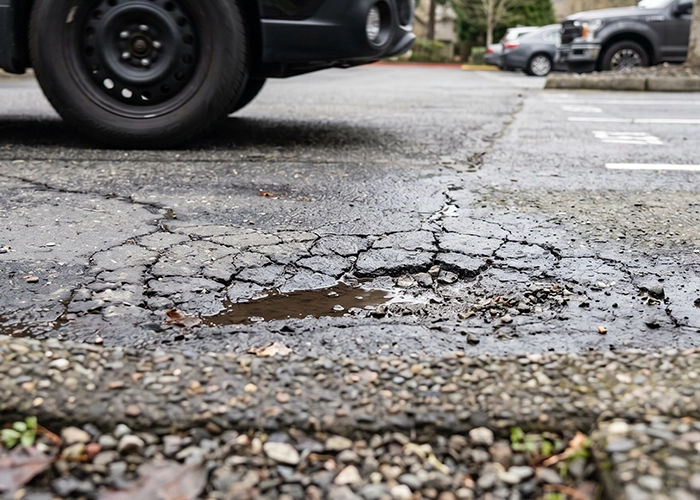
Potholes do not appear overnight. They develop gradually as pavement weakens under a combination of environmental and structural factors.
Water infiltration is one of the most common causes. When moisture enters small cracks, it begins to erode the base beneath the asphalt. In colder climates, freeze and thaw cycles accelerate this process by expanding trapped water.
Traffic also plays a major role. Heavy vehicles apply repeated pressure to weakened areas, causing the surface to break apart. Even lighter traffic can contribute over time when the pavement has already lost its strength.
Poor drainage, aging materials, and lack of routine maintenance often make the problem worse. When these factors come together, potholes become almost inevitable.
Common Types of Pothole Patching Methods
Not all pothole patching solutions are created equal. The method used depends on the severity of the damage, weather conditions, and long-term performance goals.
1. Throw-and-Go Patching
This is one of the quickest repair methods available. Asphalt is placed directly into the pothole without significant preparation.
While it offers a fast fix, it is typically considered temporary. The lack of proper compaction and preparation often leads to early failure, especially in high-traffic areas.
2. Throw-and-Roll Patching
This method improves upon the basic approach by adding compaction. After the material is placed, it is compressed using vehicle tires or equipment.
The added compaction helps the patch hold together better than a simple throw-and-go repair. Still, it is best suited for short-term needs rather than permanent solutions.
3. Semi-Permanent Patching
Semi-permanent patching is widely regarded as one of the most effective approaches. The damaged area is cleaned, debris is removed, and the edges are prepared before new material is installed.
The asphalt is then compacted thoroughly to create a strong bond with the surrounding surface. This method delivers longer-lasting results and performs well under regular traffic.
4. Spray Injection Patching
This method uses specialized equipment to clean the pothole and apply asphalt emulsion and aggregate in a single process.
Spray injection is efficient and reduces the need for extensive manual labor. It is often used for roadways and larger repair projects where speed and consistency are important.
Choosing the Right Solution for Your Property
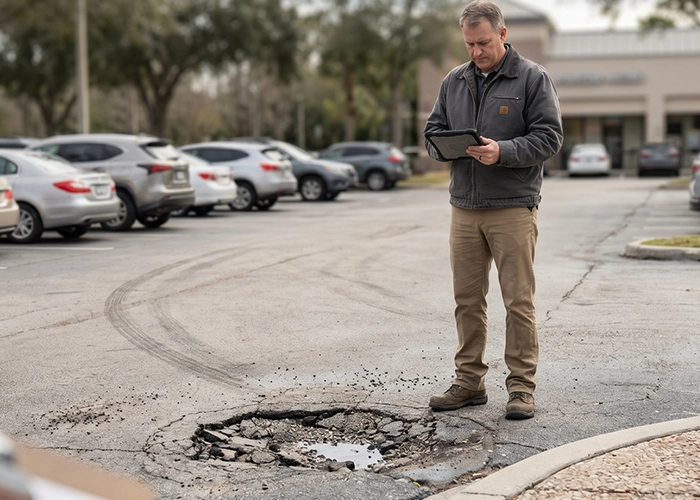
Selecting the right pothole patching solution depends on several factors. The size of the pothole, traffic volume, and environmental conditions all influence the best approach.
For high-traffic areas like commercial parking lots, durability should be the top priority. Semi-permanent repairs or spray injection methods often provide better long-term value.
In lower-traffic areas or emergency situations, temporary fixes may be acceptable. However, these should be viewed as short-term solutions until a more permanent repair can be completed.
Budget considerations also come into play. While some methods cost less upfront, they may require more frequent repairs. Investing in a higher-quality solution often reduces long-term expenses.
The Role of Materials in Long-Lasting Repairs
The materials used in pothole patching solutions have a direct impact on performance. Not all asphalt mixes are the same, and choosing the right one can determine how well the repair holds up over time.
Hot mix asphalt is considered the gold standard for durability. It creates a strong bond and performs well in heavy traffic conditions. However, it requires specific temperature conditions for proper installation.
Cold patch asphalt is more flexible in terms of application. It can be used in a wider range of weather conditions, making it a practical option for quick repairs.
High-quality aggregate and binding agents also contribute to the strength of the patch. When materials are selected carefully, the repair is more likely to resist wear and tear.
Weather Considerations and Timing
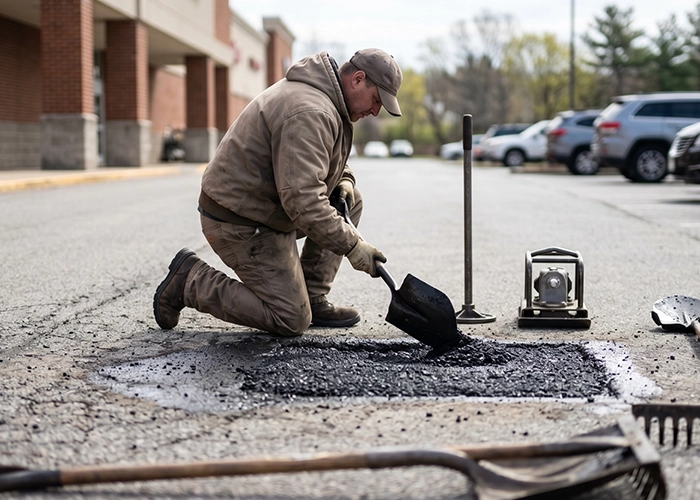
Timing plays an important role in the success of pothole patching solutions. Weather conditions can affect both the installation process and the longevity of the repair.
Warm, dry conditions are ideal for most asphalt repairs. These conditions allow materials to bond properly and cure effectively.
Cold or wet weather can make repairs more challenging. While certain materials are designed for these conditions, they may not deliver the same long-term results as repairs completed in optimal weather.
Planning repairs during favorable conditions can improve performance and reduce the likelihood of premature failure.
Preventive Maintenance and Its Impact
Pothole patching solutions are most effective when combined with a proactive maintenance strategy. Addressing small issues early can prevent larger, more costly repairs later.
Routine inspections help identify cracks, drainage problems, and areas of wear before they develop into potholes. Sealcoating, crack filling, and proper drainage management all contribute to pavement longevity.
When maintenance is consistent, the need for extensive patching is reduced. This approach not only saves money but also keeps the property looking well-maintained.
Signs It Is Time to Repair a Pothole

Recognizing when to act can make a significant difference in repair outcomes. Waiting too long often leads to more extensive damage and higher costs.
Common signs include visible holes, loose debris, and areas where water collects after rain. Cracks that begin to spread or deepen may also indicate that a pothole is forming.
If vehicles or pedestrians start to experience difficulty navigating the surface, it is a clear sign that repairs are needed. Addressing these issues promptly helps maintain safety and prevents further deterioration.
Benefits of Professional Pothole Repair Services
Professional repair services bring experience, equipment, and expertise to the process. While some property owners may consider handling repairs themselves, professional solutions often deliver better results.
Trained crews understand how to prepare the surface, select the right materials, and apply proper compaction techniques. This level of precision improves the durability of the repair.
Professional services also save time and reduce disruption. Repairs can be completed efficiently, allowing normal operations to resume quickly.
In many cases, the long-term savings from a high-quality repair outweigh the initial cost of hiring professionals.
Long-Term Value of Proper Patching
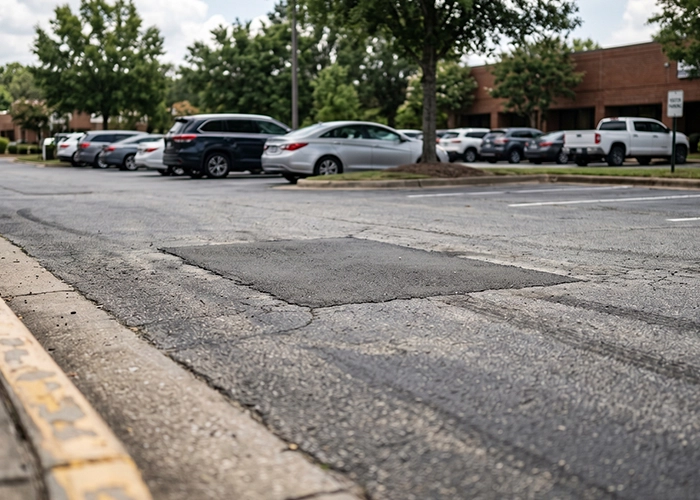
Investing in the right pothole patching solutions provides benefits beyond immediate repairs. It helps protect the overall structure of the pavement and extends its lifespan.
Well-executed repairs reduce the risk of further damage, which can lead to more extensive and costly work. They also improve the appearance of the property, creating a positive impression for visitors and customers.
Over time, consistent maintenance and quality repairs contribute to lower total ownership costs. This makes pothole patching an important part of any property management strategy.
How Pothole Repairs Affect Safety and Liability
Safety is one of the most important reasons to address potholes promptly. Uneven surfaces can create hazards for both vehicles and pedestrians.
For drivers, potholes can cause tire damage, alignment issues, and even accidents. For pedestrians, they increase the risk of trips and falls.
Property owners may also face liability concerns if known hazards are not addressed. Timely repairs demonstrate a commitment to safety and help reduce potential risks.
When Full Replacement May Be Necessary
In some cases, patching alone may not be enough. If the pavement has widespread damage or structural failure, more extensive repairs may be required.
Signs that replacement may be needed include large areas of cracking, multiple potholes, and significant surface deformation. When these issues are present, patching may only provide temporary relief.
A professional assessment can help determine the best course of action. In some situations, a combination of patching and resurfacing may be the most effective solution.
What to Expect During the Repair Process
Understanding the repair process can help property owners plan accordingly. While the exact steps may vary, most pothole patching solutions follow a similar approach.
The area is first cleaned to remove debris and loose material. This step is essential for creating a strong bond between the new material and the existing surface.
Next, the patching material is applied and compacted. Proper compaction ensures that the repair is stable and level with the surrounding pavement.
Finally, the area is inspected to confirm that the repair meets quality standards. In many cases, the surface can be used shortly after the repair is completed.
Simple Steps to Extend the Life of Your Pavement
Taking a proactive approach can help extend the life of both repairs and the overall pavement.
- Schedule regular inspections to catch early signs of damage
- Address drainage issues to prevent water buildup
- Apply sealcoating to protect the surface
- Repair small cracks before they expand
These steps may seem simple, but they play a significant role in maintaining pavement quality over time.
A Smarter Approach to Pothole Repairs
Choosing the right repair method, using quality materials, and working with experienced professionals all contribute to better results. When these elements come together, pavement stays safer, stronger, and more reliable.
Protect your pavement before small issues turn into costly repairs. Call us at 704-227-0468 or contact us online to explore reliable pothole patching solutions tailored to your property.
Related Articles: