
Potholes usually do not show up overnight. They creep in slowly, starting as small cracks and weak spots that most people simply drive over and ignore. With regular asphalt sealcoating, those weak spots are protected before they turn into expensive, tire-busting craters.
When you think about winter, snow, and heavy plow trucks, the need for a strong asphalt surface becomes even clearer. A simple sealcoat layer often becomes the difference between a smooth ride and a parking lot lined with patches every spring.
How Asphalt Sealcoating Prevents Potholes
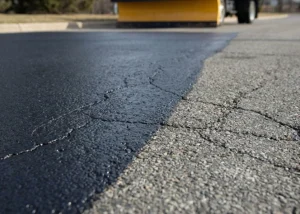
Asphalt sealcoating adds a thin, protective layer over your pavement that blocks water, sunlight, and chemicals from getting into the surface. Once those elements reach the base layers, the pavement starts to weaken from the inside out. A sealed surface keeps that damage from starting in the first place.
Water makes potholes grow faster than almost anything else. Sealcoating fills tiny pores and hairline cracks so that moisture has a harder time getting into the pavement. With less water in the structure, freeze and thaw cycles create less movement, which means fewer cracks that can turn into potholes later.
Snow plows and deicing products put even more stress on roads and parking lots. Fresh asphalt sealcoating gives the surface a smoother finish that helps blades glide more evenly and reduces peeling and raveling of the top layer. That smoother finish helps the pavement stand up to winter work a little longer.
Why Potholes Form on Asphalt Surfaces
Most potholes start with small cracks that do not look like a big deal. Water seeps into those openings and settles into the layers below the surface. When temperatures drop, that trapped water freezes, expands, and pushes the asphalt apart.
As traffic rolls over the weakened area, the pavement flexes more than it should. Each vehicle adds a little more stress to the damaged spot. Eventually, the surface breaks away, leaving a hole that grows wider and deeper with every storm and every pass of a tire or plow.
Without a strong asphalt maintenance plan, this cycle repeats across your lot or driveway. Cracks multiply, repairs become more frequent, and the cost of reactive asphalt repair quickly outpaces what a simple preventive treatment would have required.
Safety and Curb Appeal Benefits for Your Property
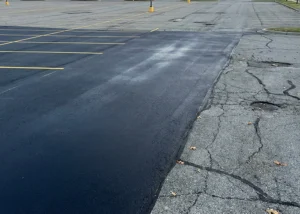
Potholes do more than annoy drivers. They create tripping hazards for people walking to their cars, the office, or the front door. In poor lighting or in snowy conditions, those holes can be hard to see until someone twists an ankle or bends a wheel.
A well-timed round of asphalt sealcoating keeps surfaces more even, which reduces surprises for both pedestrians and vehicles. Fewer sudden bumps mean smoother braking, better traction, and less chance of drivers swerving to avoid rough spots.
Looks matter too. Customers, tenants, and guests often notice the condition of the pavement before they notice the building. A dark, freshly coated surface signals that the property is cared for, which reflects well on the business or community that owns it.
Asphalt Sealcoating vs Reactive Asphalt Repair
Many owners only think about asphalt repair after the first big pothole appears. At that point, the damage has already worked its way through the layers beneath the surface. Patching becomes a short-term fix on a deeper problem.
Asphalt sealcoating works differently. The goal is to keep the surface sealed while it is still in fairly good shape. By preventing water and chemicals from reaching the base, you slow down aging and delay the need for larger asphalt repair projects later on.
From a budget standpoint, preventive care usually wins. Regular surface treatments cost far less than full-depth repairs or resurfacing. A simple coating today can extend pavement life by several years and reduce the number of emergency fixes in the future.
Building a Simple Asphalt Maintenance Plan

A basic asphalt maintenance plan does not need to be complicated. Start with a quick visual inspection at least once or twice a year, ideally in spring and fall. Look for early cracking, faded spots, standing water, and areas where gravel appears at the surface.
Small cracks should be sealed before any new asphalt sealcoating is applied. Crack sealing keeps water from getting underneath the coating and reaching the base layers. Many pavement experts consider crack sealing one of the most important steps in asphalt maintenance because it stops water from turning minor flaws into potholes.
Most commercial lots benefit from asphalt sealcoating every few years, depending on climate and traffic. Heavy truck use, frequent plowing, or harsh sun may shorten that interval. A qualified contractor can help set a schedule that balances cost, appearance, and long-term pavement health.
Signs Your Pavement Needs New Asphalt Sealcoating
Some signs of wear are easy to spot if you know what to look for. A quick walk across your lot can reveal clues that the pavement needs attention.
Common signals include:
- Color fading from deep black to light gray
- Hairline cracks starting to branch across the surface
- Rough patches where sand and stone are coming loose
- Small puddles that linger after rain or snowmelt
When these issues appear, a fresh application of asphalt sealcoating can often be done before the surface breaks down further. Addressing them early keeps the focus on maintenance instead of constant asphalt repair.
Winter, Snow Plows, and Pavement Damage
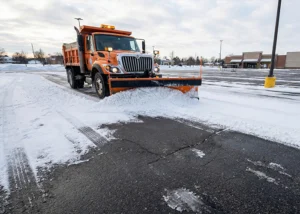
Winter brings a tough mix of moisture, freezing temperatures, and heavy equipment. Snow plows scrape along the surface, salt and deicers soak into any open cracks, and freeze–thaw cycles keep the pavement under stress. Without protection, that combination speeds up pothole formation.
Asphalt sealcoating gives the surface extra defense from those winter conditions. The sealed layer helps keep water out, reducing expansion beneath the pavement when temperatures drop. A smoother, coated surface can also help plow blades glide more cleanly, which reduces gouging and peeling of the asphalt.
For properties in snowy regions, pairing asphalt sealcoating with a thoughtful snow plan becomes very important. When plow routes, storage piles, and deicer use are planned around pavement health, the asphalt usually lasts longer and needs fewer major repairs each spring.
Working With a Professional Pavement and Snow Team
Property owners often work with a snow plow company for winter services and a paving contractor for asphalt work. When those teams communicate, your pavement benefits. A snow contractor who understands asphalt maintenance can adjust plowing techniques to protect newly coated areas and avoid pushing heavy piles onto weak spots.
Scheduling matters as well. Sealcoating is typically done in warmer months when surfaces are dry and temperatures are stable. By talking through timing with your snow plow company, you can plan work so the pavement is fully cured well before the first storm. That way, the coating has the best chance to perform throughout the cold season.
Many owners find that the best approach blends regular asphalt sealcoating, prompt crack sealing, and thoughtful winter operations. This mix reduces surprise potholes, keeps the property looking sharp, and protects the investment already made in the pavement.
Seal for Stability
Potholes do not have to be a yearly headache. With a plan built around regular asphalt sealcoating, smart asphalt maintenance, and careful winter preparation, your pavement stays stronger for longer.
By staying ahead of damage instead of chasing it, you protect your budget and everyone who uses your property.
Related Articles: